
Be the Wolf - Part 3

Writer’s Note:
When I wrote the first part of Be the Wolf, I didn’t plan for it to be a series. It was just a creative way to say that hunting is part of who we are, so go out and be the animal and don’t apologize for it.
I wrote Part 2 after a hunting trip where I started to question why I still wanted to hunt. I called it Part 2 because it felt like an evolution from Part 1. At the end of the day, they were both essays about why we hunt.
I didn’t plan to write a third part, but here I am six months later. After thinking a lot about it, I feel like I’m in yet another place now.
I think I’m done hunting. And since being a hunter has been such a big part of my identity for so long, and it’s something I enjoyed within my every fiber of my being down to the cellular level, that’s a really tough thing to say out loud.
Since I wrote Be the Wolf Part 2 after last year’s deer season, I’ve been whispering hints of this sentence to myself and friends. It’s been something I’ve thought about daily and wanted to talk about, but have been reluctant to for fear of being seen as some kind of animal rights activist or something. I’ve also been guarding this as most of my closest friends and acquaintances are hunters and hunting or talking about hunting is what we do together. When that’s gone, a lot of those relationships will be gone with it.
I moved to eastern Tennessee last year and the fact that hunting access is so limited here versus where I used to live is also a part of this decision. Public land open to hunting is over an hour away- though I have plenty of choices not open to hunting. I’m used to multiple options within 15 minutes. Sure, I could get permission on private land, but being restricted to small blocks of land is not my idea of hunting. I need big country where I can walk for hours for days on end to feel like the wolf.
I’m truly embarrassed to say I don’t want to hunt anymore. Especially because I still love to hunt. I guess the truth of the matter is, I don’t want to kill anymore.
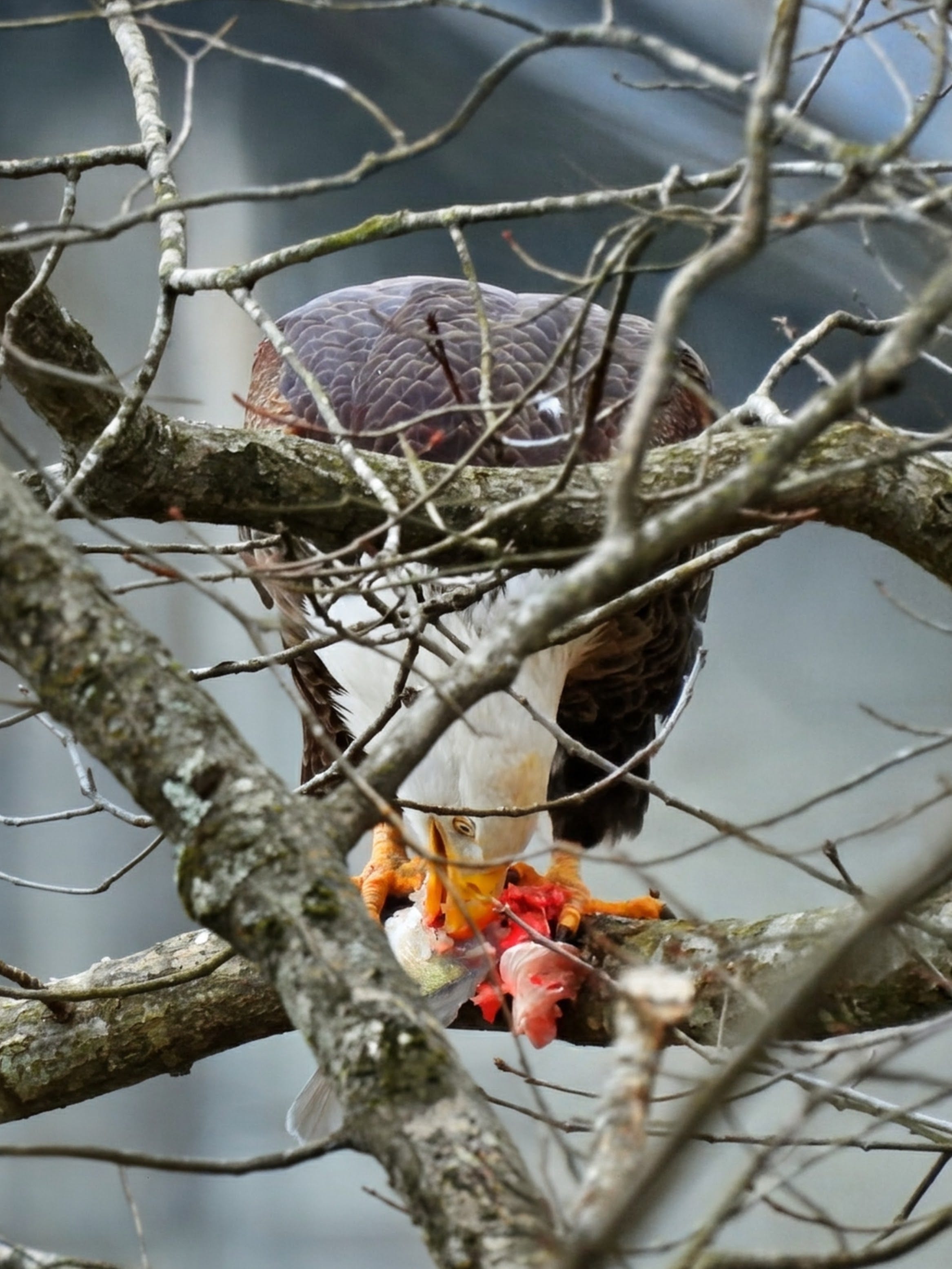
This has been building for some time, but ironically, it seems to have accelerated as I’ve gotten better at hunting. That’s because getting better at hunting has allowed me to get more intimate with the animals I’ve pursued. And no, I’m not anthropomorphizing, I’ve just gotten to the point where I prefer to see them alive rather than watch them die. Cause I've seen people die, too, and there is no difference between the two.
Every animal I’ve killed was hard on me, and saying macho shit like, “Be the Wolf,” hasn’t helped relieve the guilt from each kill- some more than others. No level of culinary wizardry or repurposing their body parts could ever honor them in a way that can offset that guilt.
But I can’t quit being out there in the wild, that part of it is still quantum entangled with my soul. I don’t belong in civilization. I belong in the woods, the hollers, on the rivers and in the mountains. And rather than kill the animals who belong there with me, I’d rather just enjoy their company.
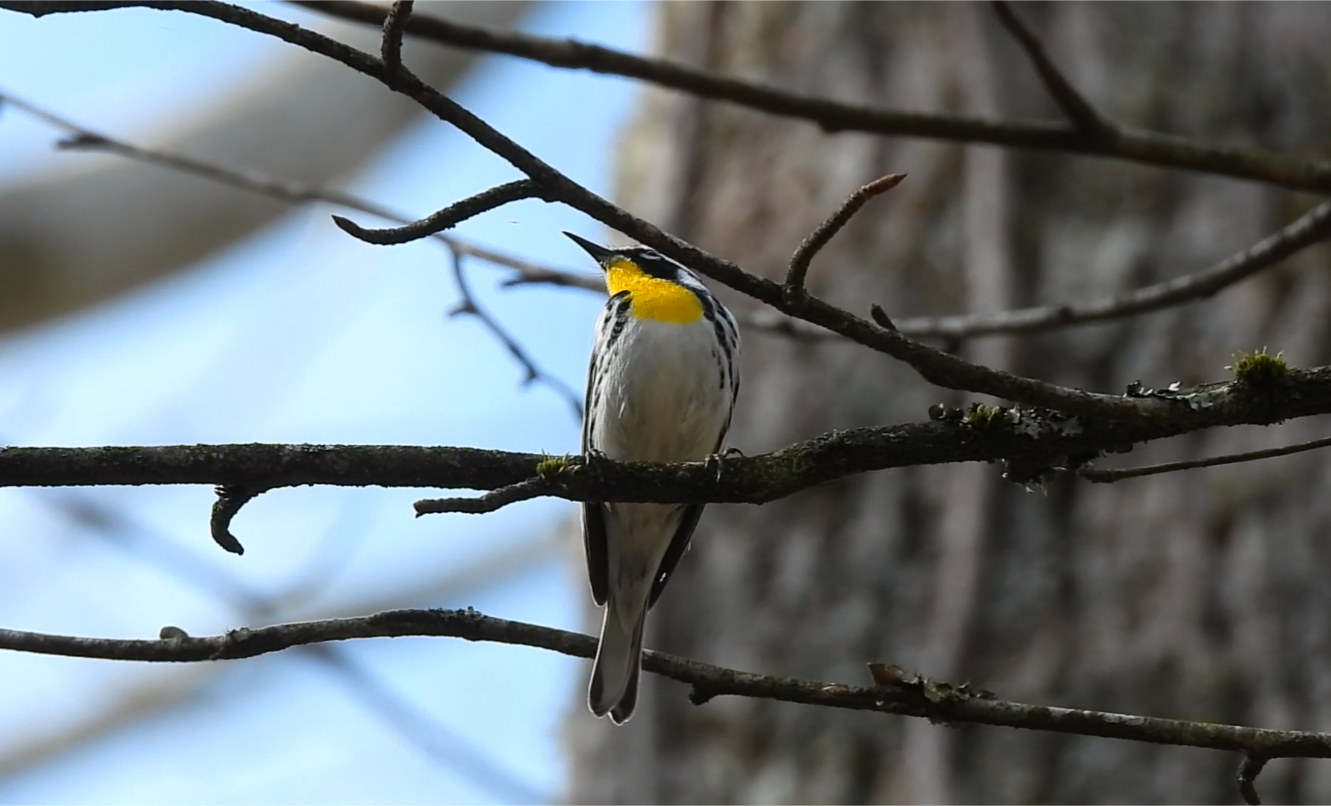
And now the part I’m not sure some of my hunting friends can-- or want-- to understand. There is an intelligence within these animals. It’s not just instinct. Deer hunters commonly use the cues from other animals to indicate a game animal is nearby. For eastern whitetail hunters, the best example is the screech of a blue jay giving away a whitetail’s location long before the hunter can see it.
George Bumann was recently interviewed on an episode of the Meateater podcast. Bumann is the author of the book, “Eavesdropping on Animals.” George has learned to slow down and pay attention to the natural world in a way most of us never have. His book isn’t about understanding animals to hunt them. It’s about learning their language, watching how they react, and how they communicate with each other and everything around them.
He describes the woods as a constant conversation. Birds, squirrels, deer. None of them are just randomly making noise. And if you’re patient enough, you can start to understand them. Not in some mystical, cartoon kind of way. But in a real, grounded way that comes from observation and time.
What struck me most is that George isn’t just watching animals. He’s building a relationship with them. He’s learning how to exist in their world without disturbing it. And over time, the animals begin to accept his presence.
That hit me harder than I expected. I thought it was ironic. I think Meateater invited him on because they thought hunters could get exposure to these skills, learn them, and maybe improve their woodsmanship, and take more game, and want to do more hunting. But this interview just reaffirmed my decision to stop.
These animals are smart. They understand what’s going on. They understand life and they know where they’re safe. Particularly whitetail deer, that’s one of the things I learned to use to see more of them while hunting.
I’m not selling my hunting gear. It still has its place for getting close to animals that have learned to hide from people. But I’m not out there to take anything more than a picture home anymore. I just want to be part of the conversation, and that feels right.
Such a conflicting wash of emotions, hunting is. I took a course at the Maine Primitive Skills School, "The Spirit of the Hunt," and we talked a lot about bird language, the interconnectedness of the forest, ourselves, and ultimately what it means to be a hunter -- and a successful one. Taking a life should feel heavy -- man or animal, it's still a spirit extinguished.
Not sure what I'm getting at here -- but appreciated this one, Alex.
Thought provoking piece. Thank you for sharing. I have wondered myself whether I will continue to hunt until I can’t. I have a question - just out of curiosity - no judgement or deprecation intended. What will you choose to eat? Will you be a vegetarian now?